


Snake Safety for Hunters | Snake Protection in the Woods

Warm fall temperatures can keep snakes active well into hunting season. Herpetologist Dr. Earyn McGee explains snake behavior, while we examine the gear and field habits that can help hunters stay protected.
By Justin Campbell | Equalized Outdoors
This topic gets its fair share of attention in the spring, as temperatures rise and hunters head out to the woods to chase toms. Certainly, down here in Texas, on any given day above a certain temperature, say 65 degrees or so, rattlesnakes aren’t far from the top of my mind.
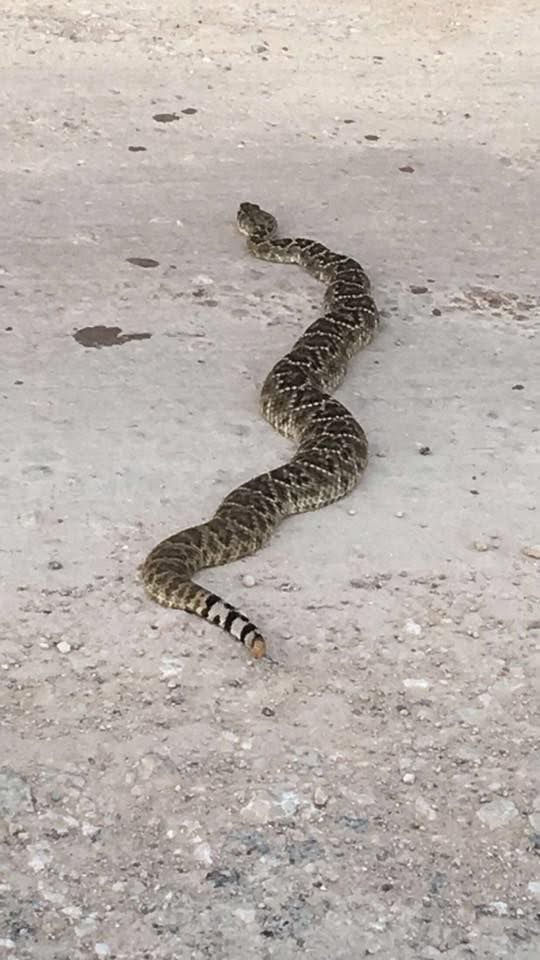
Fall Hunting Doesn't Mean Snakes Are Gone
For some reason, though, when it comes to the fall, there’s much less conversation out there, even though the issue is just as real. Especially for my fellow bowhunters out there. Most archery seasons kick off around the South in what can only be described as summertime temperatures.
As I write this, it’s still 89 degrees at 8:40 PM. Today’s high was around 96 degrees, and it won’t drop below 75. Welcome to “Fall” in Texas. For us, and in states like Texas with warm climates, there’s a good chance that we will deal with snakes for a majority of, if not the whole year.
That said, there is plenty that you can do to try and protect yourself should you have an encounter with snakes. To include behavior and habits, as well as different equipment.
Understanding Snake Behavior
Snakes aren’t my favorite either, but I made it a goal to try to manage my fears. I joined a few snake identification groups on Facebook, and the people there have been immensely helpful.
I was honestly surprised by just how little I knew about snakes. A harmless water snake is now just that. Kingsnakes also earn themselves a pass, as they help keep the venomous snakes in check by eating them. If it’s in a predicament, it’s probably a rat snake.
To further the educational efforts, I also reached out to Dr. Earyn McGee because of her expertise on the subject. According to Dr. McGee, “It is important for anyone recreating in nature to remember that many animals, including venomous snakes, view humans as predators.” Meaning, for the most part, they fear us more than we even fear them. She also reiterated that “most snakebites are the result of snakes defending themselves”.
Never try to handle a snake without proper training and equipment. It’s not worth the risk. Give them a wide berth, and we all can safely coexist. I asked Dr. McGee her thoughts about the myth that snakes chase people and she had the following to say. “For some snakes, they may choose to flee; however, they may choose to go in a human’s direction, so it’s best to just move out of the way.” Meaning the snake believes its best escape route lies beyond you; it’s not actually chasing you. Again, a wide berth keeps everybody safe.
Snake Safety for Hunters
As for gear, when it comes to snake safety, hunters have a few options. You have snake boots, snake chaps, and snake gaiters. Personally, I own snake boots and gaiters, and I use them both often. My boots are the Alpha Agility Snake Boot by Lacrosse; it’s a 17-inch-tall boot that’s advertised as being snake-proof. I haven't had to test them, and I hope I never will. I don’t own any chaps, but no gear can replace vigilance.

Snake gaiters offer similar protection, but you can use them with any boot or sneaker you choose. They are also waterproof and help a ton in areas with brush and thorns. My gaiters are from Blocker Outdoors, are 16 inches tall, and are also advertised as snake-proof. I’ve crossed many creeks in them, and I tend to favor them because they have a key advantage over my boots. They come off much easier.
I will say while the added peace of mind is nice, I still don’t just go busting through the woods and tall grasses without caution. Anything I need to step across, I step up on it and get a view of the other side before crossing. I never put my hands where I can’t see them, and I avoid tall grass whenever possible.
Dead stumps are another place I never just blindly step across, and I give them a wide berth when possible. Sunny areas that contain rocks? My vigilance increases.

What to Do After a Snakebite
Should you happen to find yourself in a situation where you have been bitten, it’s equally important to know what to do. Your primary concern is to get medical attention as soon as possible. You don’t need to capture the snake and bring it with you; a photo can help. Even so, it’s not necessary. Do not apply a tourniquet, and you may want to remove watches and jewelry, according to the Mayo Clinic. Most of all, stay calm.
All in all, a little bit of knowledge, common sense, equipment, and preparation will take you a long way. Learn about your environment and educate yourself about your fears. The extra peace of mind, combined with caution, should get you across the finish line. You don’t have to wait until it gets cold to enjoy the woods.

Comments