


How To Scout Public Land While In Deer Season

Deer Season demands flexibilty when hunting new places requres scouting. Here's how I break down unfamiliar public land, check promising spots, and plan a hunt while sharing the woods with others.
By: Justin Campbell | Equalized Outdoors | Octoboer 2026

I’ve seen this on various forums over the years and heard it in many conversations. Mobile hunting has been the trend for some time now, as the popularity of saddles has exploded and climbing sticks and the lie have become lighter. You’ll find no shortage of YouTube videos on the matter either. Yet when it comes to scouting, not much focuses on that aspect during the season.
Most of the concerns are from well-intentioned hunters who simply don’t want to interrupt anyone else’s hunt. While noble, and I’d say even commendable, the short of it is, don’t worry about it.
Now, I’m not saying just barge through the woods making a ton of noise and blowing out spots. Not at all. What I am saying, though, is that other people are just part of the game when it comes to hunting public land.
Because of a last-minute change of plans, I had to scouting public land after the archery season here in Texas was already open this year. For me, it certainly wasn’t ideal, but it hasn’t been a total deal breaker either. This property has a large concentration of outdoor recreationists who aren’t even hunting and have no regard for noise or the restrictions we hunters place on ourselves.

On opening weekend, a church group held a large gathering at one of the locations I had e-scouted before heading out to the field. Just this past weekend, an equestrian event brought multiple trailers and horse riders to the area. That’s not even counting the long weekend, and the families that came out just to camp and enjoy the outdoors.
Another thing that gets lost among hunters is that not everyone is pursuing the same game you are. Even though it’s archery season, small game hunters are out with dogs and hunting with firearms. There are fall turkey seasons as well in some places. It’s not a matter of if you run into another hunter, but rather where and when.
When you do stumble across another hunter, don’t panic. Just wave to let them know that you see them and then quietly head out to another location. No big deal at all. Depending on where you are, you may even be surprised to find that other hunters are even helpful.
I always leave a business card on the window of the trucks that I frequently see. If we arrive at the trailhead at the same time, a simple conversation and a general overview of the day's plan are usually enough to avoid conflicts.
Hence the just don’t worry about it statement.
Scouting Public Land During The Season Made Easier

There are a few things you can do to make it easier on yourself and less likely to interrupt someone else’s hunt. It all begins before you even leave the house. Today it’s hard to imagine someone not having onX hunt or some other similar mapping platform. If you don’t, you can get it here, and that’s where the work begins.
If you’re attempting to hunt a large parcel of land, do not be intimidated by the size. Instead, approach it the same way you would a nice steak, one piece at a time. Break down the larger parcel into smaller portions that contain the three elements deer need.
Food, water, and cover.
Especially focus on areas with transitions between different types of terrain, such as the edges of woods and fields.
We made a YouTube video, and wrote an article on the topic a while back that can help those unfamiliar with terrain and topo maps, as well as how deer use them, become familiar with what to look for at a basic level. Deer move through the woods much like most people, often taking the path of least resistance. Natural pinch points, or funnels such as saddles, can be great areas to target.
As a general rule, large areas of rather monotonous terrain can be ignored during your initial scouting. For example, a wide-open, large grassy area can largely be disregarded because it lacks cover and security during daylight hours. If deer use it, they will usually do so in the first few minutes of light and the last few minutes of evening. And if they do use it, that’s where those edges come back into play.
Tools such as onX also show you where roads and trails are. From a hunter's perspective, you can use this to eliminate terrain and identify areas that are hard to reach and far from roads. Add in the three core elements, and you may just have yourself a honey hole.
Realistically, though, especially in the beginning, you have to expect other hunters to see what you see because everyone has the same resources. That means having a backup spot to the back up, back up spot.
Technology is Nice but Boots On Ground is Still King
For the boots-on-the-ground element, use existing roads to drive around and use your optics to get a lay of the land with minimal impact. Identifying high ground that you can access allows for the same advantage, depending on the terrain. The more intel you can gain without disturbing areas, the better.
Most other hunters go in the woods early and come out before 11 a.m., so midday is my preferred time to get in and check my pins in person. I try to get as close as I can to a trail or road so I can take the most direct path to the area of interest, noting fresh sign and dropping pins as I go based on the type of sign I find. One thing newer hunters often overlook is noting the prevailing winds.
OnX has a wind calendar now that helps with this, but keeping it in mind will come in handy later when you plan which area to hunt and how to access it. Pins are free also. Do not be afraid to use them. I mark the specific trees that I would set up in and then set the ideal wind directions for that location in onX.
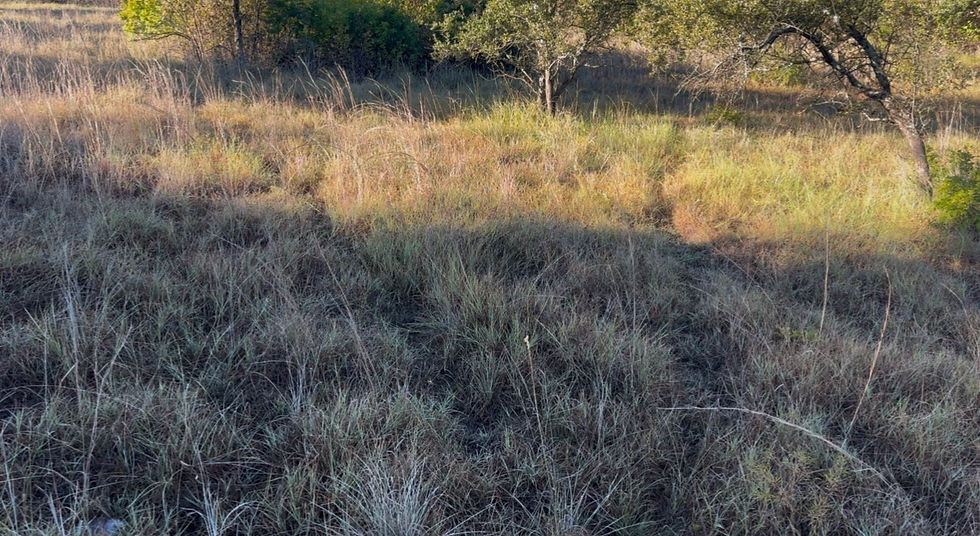
I cover as many spots as possible, and typically take at least two days to scout, especially on my first visit to a location. While not reckless, I’m not worried about bumping animals during the day, either, on large tracts of public land. Smaller tracts require an entirely different approach, but that is for a different article.
Once you’ve gathered all of your points and your intel, that’s when you sit down and rank your locations based on real intel gained in the field. Plan your entry and exit; get in early enough to let things settle down and then make a play.
Conventional wisdom says to get far and deep, but don’t overlook those areas right next to the trailhead or the parking lot. If you look hard enough, you might surprise yourself with what you turn up. Scouting public land during deer season is doable, and not as big of an inconvenience as you may think.
In KISS terms, we have to hunt the deer where they are. Good luck out there! Let us know if you have any questions below.
*Article may contain affiliate links. This is at no cost to you, the customer.

Comments